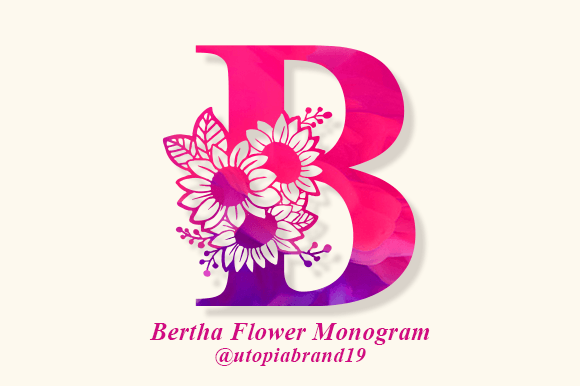
Bertha Flower Monogram: A Font That Elevates Branding
I was sitting on my kitchen floor last spring, surrounded by stacks of kraft paper boxes and a printer that had seen better days. My small candle business had grown faster than I expected, and suddenly my handwritten labels looked exactly like what they were—something I scribbled at midnight. That afternoon, I opened Bertha Flower Monogram for the first time, and within an hour I had redone an entire product line’s worth of tags. That font changed how customers saw my brand.
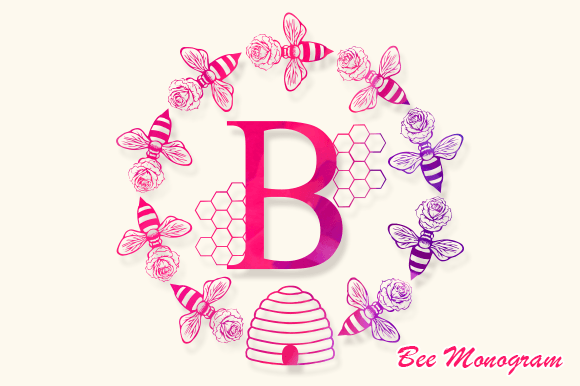
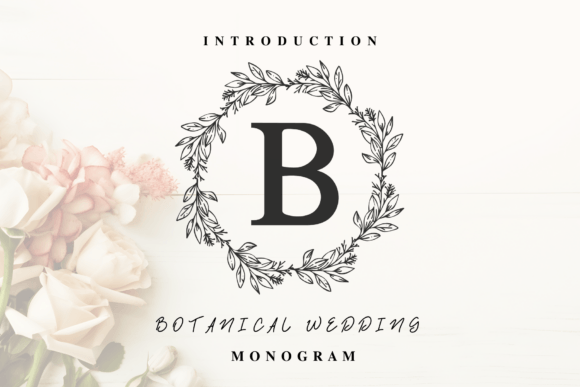
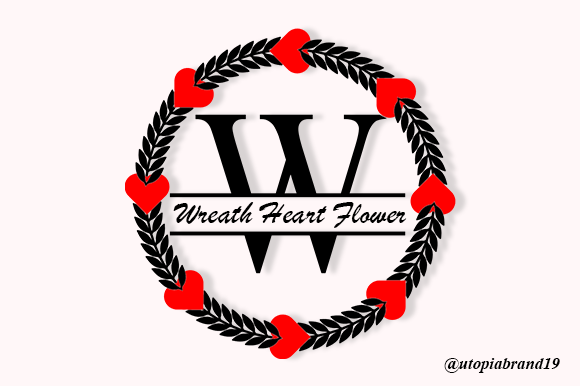
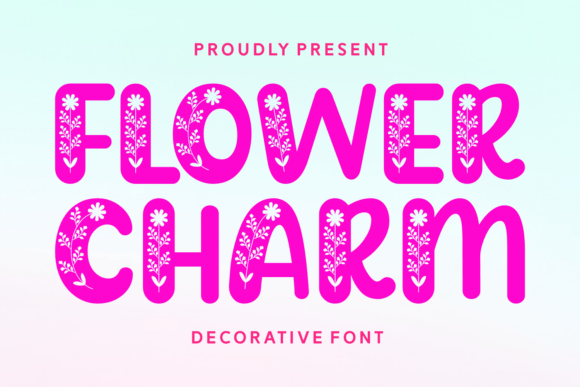
Bertha Flower Monogram is an elegant decorative typeface designed for people who need their materials to feel intentional. It is not a workhorse body text font. It is a display font built for headlines, short phrases, logos, and decorative accents. The characters carry a refined, slightly romantic personality with lovely ornamental details that catch the eye without screaming for attention. If you run a boutique bakery, a skincare line, a café, or an online shop selling handmade goods, this font can give your brand a cohesive, polished look that feels like you hired a professional designer.
Why a Decorative Font Matters for Small Business Branding
Typography shapes first impressions faster than most business owners realize. When someone lands on your Instagram profile or picks up your product in a shop, the font on your label tells them whether you are careful or careless, premium or generic, memorable or forgettable. Bertha Flower Monogram falls into the Decorative and Fonts categories for good reason. It is a creative font that works best when you want to communicate elegance, warmth, and authenticity. Think wedding invitations, boutique tags, artisan soap labels, or café chalkboard-style menus reimagined in a more sophisticated way.
I tested Bertha Flower Monogram on several real customer-facing materials. First, I used it for the header on my candle product labels. The ornamentation around certain letters gave each jar a custom, almost heirloom quality. Then I printed thank-you cards using the font for the greeting. Customers started mentioning the cards in their reviews. One woman said she kept the card on her desk because it looked like art. That kind of reaction does not come from a standard system font.
Real Uses for Bertha Flower Monogram in Your Business
The beauty of this typeface lies in its flexibility within decorative contexts. Here are the materials where it truly shines:
- Product labels and packaging – For a bakery box, the font can spell out the flavor name with a flourish that makes even a simple cookie feel like a gift.
- Business cards – Use it for your name or tagline, then pair it with a clean sans serif for contact details. The contrast will make your card stand out in a stack.
- Menu boards and printed menus – A café can use Bertha Flower Monogram for drink categories or featured items. It adds a handcrafted feel that resonates with customers looking for artisanal experiences.
- Social media graphics – On Instagram stories or promotional posts, the decorative letters work beautifully for short phrases like “New Arrival” or “Limited Edition.”
- Website banners and online shop headers – A coaching brand or boutique can use this font for the main headline on their homepage. It immediately signals a premium, thoughtful brand.
- Stickers and seals – Small thank-you stickers or jar seals printed with a single initial or short word become a signature detail customers remember.
For my own business, I also experimented with using Bertha Flower Monogram on a small run of fabric tags sewn into my reusable packaging. The feedback was immediate. People posted photos of the tags on social media. That is the kind of organic marketing you cannot buy.
Pairing Bertha Flower Monogram with Other Typefaces
No display font works well alone for every application. Bertha Flower Monogram thrives when paired with a simpler companion. I recommend a clean sans serif font for body text, product ingredients, prices, or contact details. A modern sans serif like a basic geometric or humanist style keeps the overall design readable while allowing the decorative font to take center stage. If your brand leans more traditional, an elegant serif font can also work, as long as it does not compete with the ornamentation.
For a more playful or handmade feel, a script font or handwritten font can pair well, but be careful. Too many decorative elements in one design will confuse the eye. I typically use Bertha Flower Monogram for one element—the main headline or logo mark—and then use a neutral sans serif for everything else. This keeps the brand identity consistent without overwhelming the customer.
Readability Considerations for Labels and Screens
Because Bertha Flower Monogram is a decorative font with ornaments and flourishes, it is not ideal for long paragraphs or very small text. On a product label that measures two inches wide, the font works beautifully for the product name but should not be used for ingredient lists or directions. For mobile screens, keep the font size generous. I tested it on an Instagram story at various sizes, and it remained legible as long as I did not shrink it below around 24 points for short words.
On printed materials like candle jars or boutique tags, the font performs well when the surface is smooth and the ink application is clean. Avoid using it on very textured paper where the fine details could get lost. A soft matte finish or uncoated stock actually enhances the ornamental feel, so test a sample before committing to a large print run.
Building a Consistent Brand Identity with Bertha Flower Monogram
Brand consistency comes from using the same typefaces, colors, and visual rhythms across every touchpoint. Once I decided to use Bertha Flower Monogram as my primary display font, I applied it to my logo, my product labels, my website header, and my social media templates. The result was a cohesive look that made my small operation appear much larger and more established.
Customers subconsciously notice when a brand looks put together. When your packaging font matches your website banner and your business card, you build trust. People feel confident buying from a brand that looks like it cares about details. Bertha Flower Monogram gives you that detail without requiring a graphic design degree.
What to Check Before You Buy
Before you purchase Bertha Flower Monogram, verify which file formats are included. Many premium font packages come with OTF, TTF, and sometimes WOFF for web use. Check whether alternates and ligatures are available. Those extra character options let you customize the look of your wordmarks, which is essential for logo design where you want a unique appearance. I also recommend confirming that the font supports the characters you need for your language and special punctuation.
Commercial font licensing is another critical step. If you plan to use Bertha Flower Monogram on products, packaging, merchandise, templates for clients, or digital downloads, make sure the license covers commercial use. A standard desktop license usually allows you to use the font for your own business materials and printed goods, but if you are creating templates for sale or designing logos for clients, you may need an extended license. Read the terms carefully to avoid issues later.
Bertha Flower Monogram is not the kind of font you use for a grocery list or a blog post. It is a premium font meant for moments that deserve attention. Whether you are refreshing a menu, updating your packaging, or building a brand from scratch, this typeface can be the anchor that holds your visual identity together. I still use it three seasons later, and it has not lost its charm. If anything, my customers now associate that ornamental look with the quality they expect from my products. That association is worth more than any label I could have handwritten at midnight on my kitchen floor.